Private Home Care in and around Cheltenham.

We also cover the North Cotswolds including Bourton-on-the-Water, Andoversford and Stow-on-the-Wold, providing private home care across Gloucestershire and the Cotswolds.


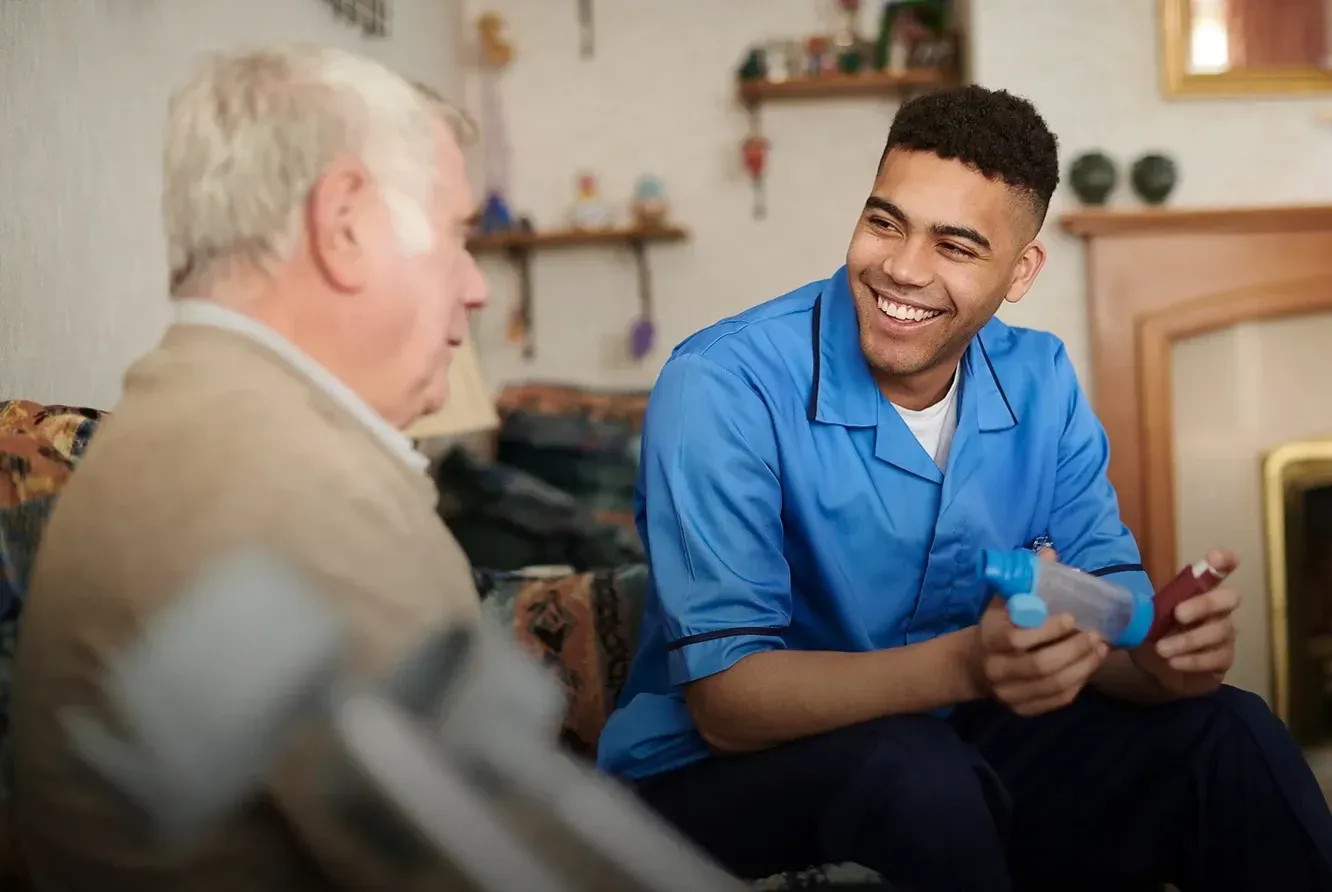
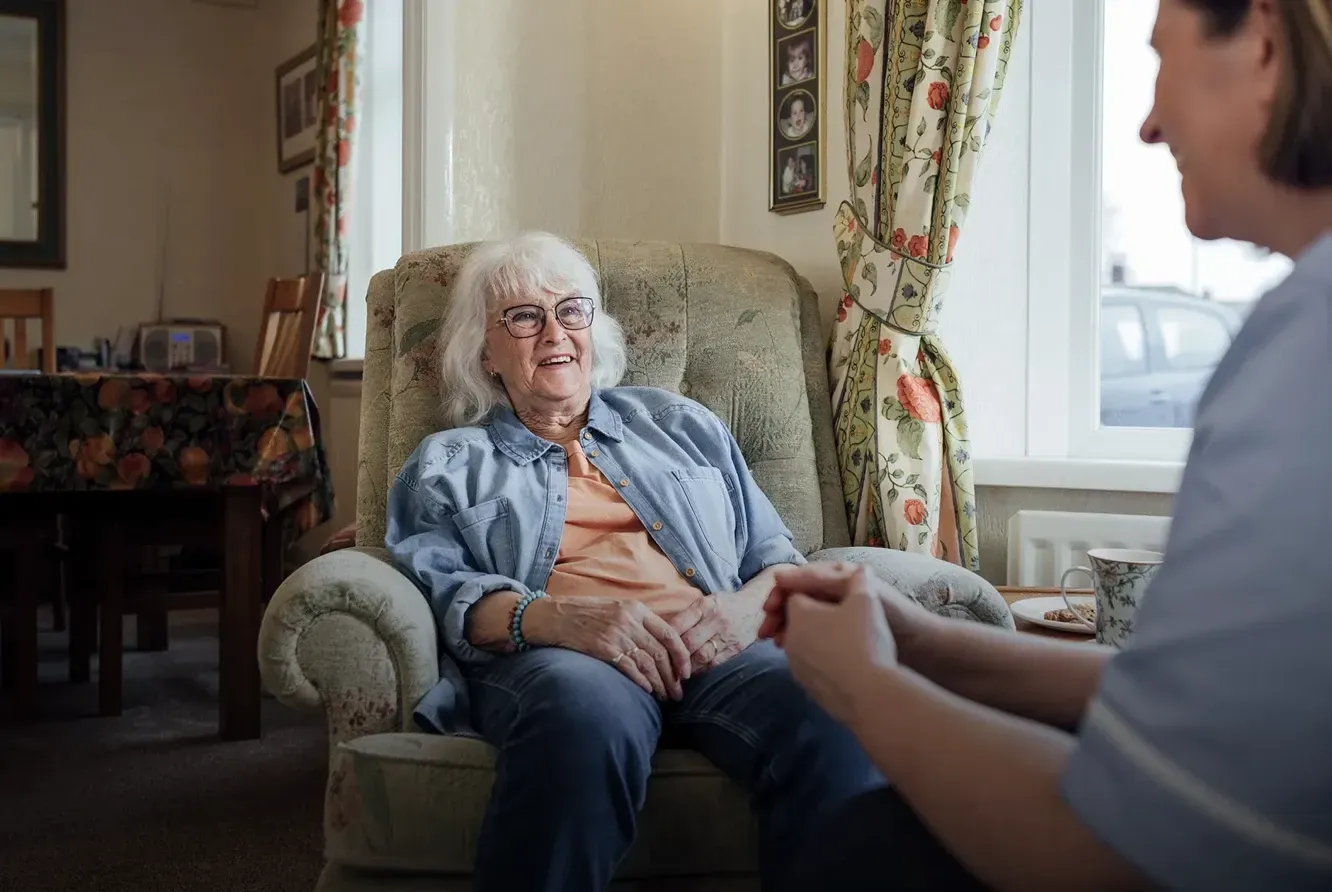
Supporting people who require home care and wish to remain independent in their own home in Gloucestershire and the Cotswolds.


The home care you need, in the home you love.

Our Care Services

Whether it's personal home care, a helping hand to tackle chores around the home, or a companion to share a few laughs over a cup of coffee with - we are here for you across Cheltenham, Gloucester, Gloucestershire and the Cotswolds.

Why Choose Windrush Care?

We provide excellent care for those who wish to remain in the familiar surroundings of their own home. 

Who We Are

We are an independent, locally owned and managed home care company, based in Cheltenham, covering Gloucester, Gloucestershire and the Cotswolds. We support people who require private home care and wish to remain in the familiar surroundings of their own home.

Work With Us

We are growing and looking for more care staff, both experienced and those new to care to join the team in Gloucestershire and surrounding areas.

News & Updates

by David Chalk 9 February 2026
When choosing home care in England, one of the biggest decisions families face is whether to use a CQC-registered care agency or hire a personal (independent) carer. While personal carers can seem cheaper or more flexible, there are important reasons why a CQC-registered company offers greater protection and peace of mind. 1. Independent Regulation and Inspection A CQC-registered care company is legally regulated by the Care Quality Commission (CQC). That means: They are inspected by an independent regulator They receive a public rating (Outstanding, Good, Requires Improvement, or Inadequate) Families can read inspection reports before choosing care A personal carer is not inspected or rated by the CQC. There is no external check on how safe, effective, or reliable their care is. 👉 With a CQC provider, quality is monitored. With a personal carer, you’re relying on trust alone. 2. Safer Recruitment and Background Checks CQC-registered companies must: Carry out enhanced DBS (criminal record) checks Verify references and work history Ensure carers are trained and competent Provide ongoing supervision When hiring a personal carer, you become responsible for checking: Their background Their experience Their right to work Their training 👉 A registered company removes this risk from families. 3. Legal Protection and Accountability CQC-registered providers must follow strict laws around: Safeguarding vulnerable adults Medication management Infection control Health & safety Complaints handling If something goes wrong, there is: A formal complaints process CQC oversight Clear accountability at management level With a personal carer: Complaints are harder to resolve There is no regulator to escalate concerns to Legal responsibility often falls on the individual or family 4. Cover, Continuity, and Reliability A care company must ensure: Cover if a carer is sick or on holiday Care continues without disruption Visits are monitored and logged With a personal carer: If they are ill or unavailable, care may stop Families may need to find emergency cover themselves 👉 Continuity of care is critical, especially for older or vulnerable people. 5. Insurance and Risk Management CQC-registered companies must have: Public liability insurance Employer’s liability insurance Risk assessments in place Many personal carers: Are uninsured or under-insured Leave families exposed if an accident or injury occurs 6. Clear Standards of Care CQC providers must meet five key standards: Safe Effective Caring Responsive Well-led These standards don’t apply to personal carers in the same way. 👉 CQC registration means care is delivered to nationally recognised standards. The Bottom Line CQC-Registered Care Company Regulated and inspected Trained, vetted staff Backup care provided Clear complaints process Legal and insurance protection Personal Carer No independent oversight Checks are the family’s responsibility No guaranteed cover Limited accountability Higher risk for families A Balanced View: Personal Carers and CQC-Registered Care Providers It is important to recognise that not all private or personal carers are bad. Many independent carers are experienced, compassionate, and dedicated professionals who provide excellent support and build strong, trusted relationships with the people they care for.  For some individuals, particularly those with low-level or companionship needs, a personal carer can be a suitable option. However, the key difference lies not in intent or care quality, but in regulation, accountability, and safeguards.
by David Chalk 23 January 2026
In today’s fast-paced world, more families are choosing homecare services as a compassionate and practical solution for their loved ones. Homecare allows individuals to remain in the comfort of their homes while receiving the personalised support they need. Whether it’s assistance with daily activities, medical care, or companionship, homecare promotes independence and peace of mind for both clients and families. What Is Homecare? Homecare encompasses a wide range of professional services delivered directly in the home. It can include:  Personal care: Help with bathing, dressing, grooming, and mobility. Companionship: Providing emotional support, conversation, and friendship. Household help: Light cleaning, meal preparation, and errands. Specialised medical care: Supervision for conditions like dementia, chronic illness, or mobility challenges. The focus is not just on meeting physical needs—but also on nurturing emotional and social well-being. Why Choose Homecare? Comfort and Familiarity: Staying in a known and loving environment reduces stress and promotes quicker recovery. Personalised Attention: Care plans are tailored to individual preferences and evolving needs. Family Involvement: Loved ones remain actively engaged in the care process. Independence: Clients retain autonomy and dignity in their daily lives. Homecare blends professional expertise with a human touch—making it one of the most compassionate choices for long-term wellness and comfort. The Heart of What We Do At Windrush Care, we believe that care goes beyond tasks—it’s about connection. Our amazing care staff are trained not just to assist but to listen, reassure, and build genuine relationships. Every smile, shared story, and moment of trust brings us closer to our mission: helping people live life fully, at home. Final Thoughts Homecare isn’t just a service—it’s a partnership based on respect, empathy, and commitment. Whether you need short-term recovery support or long-term assistance, professional homecare ensures your loved one receives the compassionate and personalised care they deserve.
by Sean Kennedy 3 November 2025
Making the decision to bring care into your home is never easy. For many people, it can feel daunting — even frightening. You might be thinking: “What if the carers are strangers I don’t feel comfortable with?” “What if they don’t really care?” “What if I lose control over my own life?” These are natural worries. At Windrush Care, we speak to families every day who feel exactly the same way before they start receiving support. Let’s talk about those fears — and how a good care company can help you feel safe, respected, and in control. 💭 1. Fear: “I don’t want strangers in my home.” We completely understand. Your home is your private space — your comfort zone. Letting someone new in can feel like a big step. That’s why the best care companies take time to match you with the right carers. At Windrush Care, for example, we carefully choose carers whose personality, skills, and temperament suit you. Over time, most of our clients tell us their carers feel less like strangers and more like trusted friends. 💙 2. Fear: “Will they really care about me?” Sadly, we often hear stories about rushed visits or impersonal service — and that can make anyone hesitant. But not all care companies are the same. A regulated, independent, and compassionate provider like Windrush Care invests in recruiting people who genuinely care. Every carer is trained in empathy, communication, and dignity — not just the practical side of care. You should always feel respected, listened to, and treated as an individual — never as a “task” on a schedule. ⚖️ 3. Fear: “I’ll lose my independence.” Many people worry that accepting help means giving up control. But the opposite is true. Good home care is about empowering you to stay independent for longer — helping you live your life your way, in your own home. You choose the times, the tasks, and the level of support you need. The goal isn’t to take over — it’s to make things easier, safer, and more enjoyable for you. 🔒 4. Fear: “Is it safe?” A reputable care company should always be CQC-regulated, fully insured, and transparent about its policies.  This means: Carers are DBS checked and professionally trained Visits are monitored for quality and reliability There’s always backup if a carer is ill or unavailable You have someone to contact 24/7 if you need help or have concerns You’re never left alone to figure things out — and your safety is the company’s top priority. 💬 5. How to build trust step by step If you’re still feeling anxious, here are a few gentle ways to start: Ask for an introductory visit — meet a manager or carer before committing. Start small — try short, flexible visits before moving to regular care. Involve family or friends — they can be there during early visits. Ask questions — any good provider will be happy to answer openly. Remember: you’re in control. Care should feel like partnership, not intrusion. 🌿 Final Thoughts Feeling nervous about using a care company is completely normal — it means you care deeply about your home, your independence, and your dignity. The right care company will respect all of that. They’ll take time to understand you, earn your trust, and help you feel confident in your own home again. At Windrush Care, we believe that care isn’t just about what we do — it’s about how we make you feel: safe, respected, and truly cared for. If you’d like to chat — no pressure, no commitment — we’re always happy to listen and answer your questions. Sometimes, that’s the best place to start.
by David Chalk 9 February 2026
When choosing home care in England, one of the biggest decisions families face is whether to use a CQC-registered care agency or hire a personal (independent) carer. While personal carers can seem cheaper or more flexible, there are important reasons why a CQC-registered company offers greater protection and peace of mind. 1. Independent Regulation and Inspection A CQC-registered care company is legally regulated by the Care Quality Commission (CQC). That means: They are inspected by an independent regulator They receive a public rating (Outstanding, Good, Requires Improvement, or Inadequate) Families can read inspection reports before choosing care A personal carer is not inspected or rated by the CQC. There is no external check on how safe, effective, or reliable their care is. 👉 With a CQC provider, quality is monitored. With a personal carer, you’re relying on trust alone. 2. Safer Recruitment and Background Checks CQC-registered companies must: Carry out enhanced DBS (criminal record) checks Verify references and work history Ensure carers are trained and competent Provide ongoing supervision When hiring a personal carer, you become responsible for checking: Their background Their experience Their right to work Their training 👉 A registered company removes this risk from families. 3. Legal Protection and Accountability CQC-registered providers must follow strict laws around: Safeguarding vulnerable adults Medication management Infection control Health & safety Complaints handling If something goes wrong, there is: A formal complaints process CQC oversight Clear accountability at management level With a personal carer: Complaints are harder to resolve There is no regulator to escalate concerns to Legal responsibility often falls on the individual or family 4. Cover, Continuity, and Reliability A care company must ensure: Cover if a carer is sick or on holiday Care continues without disruption Visits are monitored and logged With a personal carer: If they are ill or unavailable, care may stop Families may need to find emergency cover themselves 👉 Continuity of care is critical, especially for older or vulnerable people. 5. Insurance and Risk Management CQC-registered companies must have: Public liability insurance Employer’s liability insurance Risk assessments in place Many personal carers: Are uninsured or under-insured Leave families exposed if an accident or injury occurs 6. Clear Standards of Care CQC providers must meet five key standards: Safe Effective Caring Responsive Well-led These standards don’t apply to personal carers in the same way. 👉 CQC registration means care is delivered to nationally recognised standards. The Bottom Line CQC-Registered Care Company Regulated and inspected Trained, vetted staff Backup care provided Clear complaints process Legal and insurance protection Personal Carer No independent oversight Checks are the family’s responsibility No guaranteed cover Limited accountability Higher risk for families A Balanced View: Personal Carers and CQC-Registered Care Providers It is important to recognise that not all private or personal carers are bad. Many independent carers are experienced, compassionate, and dedicated professionals who provide excellent support and build strong, trusted relationships with the people they care for.  For some individuals, particularly those with low-level or companionship needs, a personal carer can be a suitable option. However, the key difference lies not in intent or care quality, but in regulation, accountability, and safeguards.

by David Chalk 23 January 2026
In today’s fast-paced world, more families are choosing homecare services as a compassionate and practical solution for their loved ones. Homecare allows individuals to remain in the comfort of their homes while receiving the personalised support they need. Whether it’s assistance with daily activities, medical care, or companionship, homecare promotes independence and peace of mind for both clients and families. What Is Homecare? Homecare encompasses a wide range of professional services delivered directly in the home. It can include:  Personal care: Help with bathing, dressing, grooming, and mobility. Companionship: Providing emotional support, conversation, and friendship. Household help: Light cleaning, meal preparation, and errands. Specialised medical care: Supervision for conditions like dementia, chronic illness, or mobility challenges. The focus is not just on meeting physical needs—but also on nurturing emotional and social well-being. Why Choose Homecare? Comfort and Familiarity: Staying in a known and loving environment reduces stress and promotes quicker recovery. Personalised Attention: Care plans are tailored to individual preferences and evolving needs. Family Involvement: Loved ones remain actively engaged in the care process. Independence: Clients retain autonomy and dignity in their daily lives. Homecare blends professional expertise with a human touch—making it one of the most compassionate choices for long-term wellness and comfort. The Heart of What We Do At Windrush Care, we believe that care goes beyond tasks—it’s about connection. Our amazing care staff are trained not just to assist but to listen, reassure, and build genuine relationships. Every smile, shared story, and moment of trust brings us closer to our mission: helping people live life fully, at home. Final Thoughts Homecare isn’t just a service—it’s a partnership based on respect, empathy, and commitment. Whether you need short-term recovery support or long-term assistance, professional homecare ensures your loved one receives the compassionate and personalised care they deserve.
by David Chalk 9 February 2026
When choosing home care in England, one of the biggest decisions families face is whether to use a CQC-registered care agency or hire a personal (independent) carer. While personal carers can seem cheaper or more flexible, there are important reasons why a CQC-registered company offers greater protection and peace of mind. 1. Independent Regulation and Inspection A CQC-registered care company is legally regulated by the Care Quality Commission (CQC). That means: They are inspected by an independent regulator They receive a public rating (Outstanding, Good, Requires Improvement, or Inadequate) Families can read inspection reports before choosing care A personal carer is not inspected or rated by the CQC. There is no external check on how safe, effective, or reliable their care is. 👉 With a CQC provider, quality is monitored. With a personal carer, you’re relying on trust alone. 2. Safer Recruitment and Background Checks CQC-registered companies must: Carry out enhanced DBS (criminal record) checks Verify references and work history Ensure carers are trained and competent Provide ongoing supervision When hiring a personal carer, you become responsible for checking: Their background Their experience Their right to work Their training 👉 A registered company removes this risk from families. 3. Legal Protection and Accountability CQC-registered providers must follow strict laws around: Safeguarding vulnerable adults Medication management Infection control Health & safety Complaints handling If something goes wrong, there is: A formal complaints process CQC oversight Clear accountability at management level With a personal carer: Complaints are harder to resolve There is no regulator to escalate concerns to Legal responsibility often falls on the individual or family 4. Cover, Continuity, and Reliability A care company must ensure: Cover if a carer is sick or on holiday Care continues without disruption Visits are monitored and logged With a personal carer: If they are ill or unavailable, care may stop Families may need to find emergency cover themselves 👉 Continuity of care is critical, especially for older or vulnerable people. 5. Insurance and Risk Management CQC-registered companies must have: Public liability insurance Employer’s liability insurance Risk assessments in place Many personal carers: Are uninsured or under-insured Leave families exposed if an accident or injury occurs 6. Clear Standards of Care CQC providers must meet five key standards: Safe Effective Caring Responsive Well-led These standards don’t apply to personal carers in the same way. 👉 CQC registration means care is delivered to nationally recognised standards. The Bottom Line CQC-Registered Care Company Regulated and inspected Trained, vetted staff Backup care provided Clear complaints process Legal and insurance protection Personal Carer No independent oversight Checks are the family’s responsibility No guaranteed cover Limited accountability Higher risk for families A Balanced View: Personal Carers and CQC-Registered Care Providers It is important to recognise that not all private or personal carers are bad. Many independent carers are experienced, compassionate, and dedicated professionals who provide excellent support and build strong, trusted relationships with the people they care for.  For some individuals, particularly those with low-level or companionship needs, a personal carer can be a suitable option. However, the key difference lies not in intent or care quality, but in regulation, accountability, and safeguards.

by David Chalk 23 January 2026
In today’s fast-paced world, more families are choosing homecare services as a compassionate and practical solution for their loved ones. Homecare allows individuals to remain in the comfort of their homes while receiving the personalised support they need. Whether it’s assistance with daily activities, medical care, or companionship, homecare promotes independence and peace of mind for both clients and families. What Is Homecare? Homecare encompasses a wide range of professional services delivered directly in the home. It can include:  Personal care: Help with bathing, dressing, grooming, and mobility. Companionship: Providing emotional support, conversation, and friendship. Household help: Light cleaning, meal preparation, and errands. Specialised medical care: Supervision for conditions like dementia, chronic illness, or mobility challenges. The focus is not just on meeting physical needs—but also on nurturing emotional and social well-being. Why Choose Homecare? Comfort and Familiarity: Staying in a known and loving environment reduces stress and promotes quicker recovery. Personalised Attention: Care plans are tailored to individual preferences and evolving needs. Family Involvement: Loved ones remain actively engaged in the care process. Independence: Clients retain autonomy and dignity in their daily lives. Homecare blends professional expertise with a human touch—making it one of the most compassionate choices for long-term wellness and comfort. The Heart of What We Do At Windrush Care, we believe that care goes beyond tasks—it’s about connection. Our amazing care staff are trained not just to assist but to listen, reassure, and build genuine relationships. Every smile, shared story, and moment of trust brings us closer to our mission: helping people live life fully, at home. Final Thoughts Homecare isn’t just a service—it’s a partnership based on respect, empathy, and commitment. Whether you need short-term recovery support or long-term assistance, professional homecare ensures your loved one receives the compassionate and personalised care they deserve.
by Sean Kennedy 3 November 2025
Making the decision to bring care into your home is never easy. For many people, it can feel daunting — even frightening. You might be thinking: “What if the carers are strangers I don’t feel comfortable with?” “What if they don’t really care?” “What if I lose control over my own life?” These are natural worries. At Windrush Care, we speak to families every day who feel exactly the same way before they start receiving support. Let’s talk about those fears — and how a good care company can help you feel safe, respected, and in control. 💭 1. Fear: “I don’t want strangers in my home.” We completely understand. Your home is your private space — your comfort zone. Letting someone new in can feel like a big step. That’s why the best care companies take time to match you with the right carers. At Windrush Care, for example, we carefully choose carers whose personality, skills, and temperament suit you. Over time, most of our clients tell us their carers feel less like strangers and more like trusted friends. 💙 2. Fear: “Will they really care about me?” Sadly, we often hear stories about rushed visits or impersonal service — and that can make anyone hesitant. But not all care companies are the same. A regulated, independent, and compassionate provider like Windrush Care invests in recruiting people who genuinely care. Every carer is trained in empathy, communication, and dignity — not just the practical side of care. You should always feel respected, listened to, and treated as an individual — never as a “task” on a schedule. ⚖️ 3. Fear: “I’ll lose my independence.” Many people worry that accepting help means giving up control. But the opposite is true. Good home care is about empowering you to stay independent for longer — helping you live your life your way, in your own home. You choose the times, the tasks, and the level of support you need. The goal isn’t to take over — it’s to make things easier, safer, and more enjoyable for you. 🔒 4. Fear: “Is it safe?” A reputable care company should always be CQC-regulated, fully insured, and transparent about its policies.  This means: Carers are DBS checked and professionally trained Visits are monitored for quality and reliability There’s always backup if a carer is ill or unavailable You have someone to contact 24/7 if you need help or have concerns You’re never left alone to figure things out — and your safety is the company’s top priority. 💬 5. How to build trust step by step If you’re still feeling anxious, here are a few gentle ways to start: Ask for an introductory visit — meet a manager or carer before committing. Start small — try short, flexible visits before moving to regular care. Involve family or friends — they can be there during early visits. Ask questions — any good provider will be happy to answer openly. Remember: you’re in control. Care should feel like partnership, not intrusion. 🌿 Final Thoughts Feeling nervous about using a care company is completely normal — it means you care deeply about your home, your independence, and your dignity. The right care company will respect all of that. They’ll take time to understand you, earn your trust, and help you feel confident in your own home again. At Windrush Care, we believe that care isn’t just about what we do — it’s about how we make you feel: safe, respected, and truly cared for. If you’d like to chat — no pressure, no commitment — we’re always happy to listen and answer your questions. Sometimes, that’s the best place to start.

Thank you for contacting us.
We’ll get back to you as soon as possible.

We got it.

Get in Touch

If the time has come to explore some care options, do please give us a call. 


Following an initial telephone discussion we would be delighted to arrange a free, no obligation assessment meeting at your home.

This is required
Enter an email Use an address with (@) and (.)
Enter your phone number Enter a valid number like +1555-123-4567
This is required
This is required
This is required

That didn’t work.

The form wasn’t sent. Please try again.